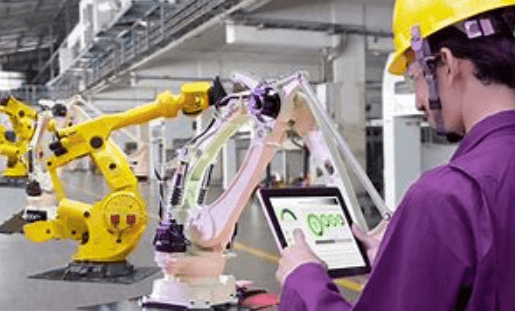
Automation reshapes the modern workplace by moving routine, rule-based tasks to machines, freeing people for higher-value work. The shift is data-driven and strategic, demanding new governance and continuous upskilling. Roles evolve toward data stewardship, ethical oversight, and creative problem-solving, with autonomous teams aligning talent to automation roadmaps. This evolution promises measurable productivity and resilience, yet it also raises questions about governance, trust, and human agency that warrant careful consideration. The next steps hinge on disciplined design and clear accountability.
What Automation Changes in the Modern Workplace
Automation reshapes the modern workplace by shifting routine, rule-based tasks from humans to machines, freeing employees to focus on higher-value work. This shift enables scalable decision-making, measurable productivity, and proactive innovation.
The analysis emphasizes automation ethics and AI governance as guardrails, ensuring accountability, transparency, and ethical risk management while preserving human agency, trust, and strategic alignment with organizational purpose and freedom.
Which Jobs Evolve: Skills and Roles on the Rise
As organizations recalibrate workforces for an automated era, certain roles emerge as the focal point of upskilling and circuit-building—data strategy, AI collaboration, and human-centric design among them.
This evolution concentrates on roles integrating analytical rigor with creative governance, prioritizing ethical implications and career resilience while anchoring decision-making in measurable impact, scalable collaboration, and continuous learning across autonomous, data-driven environments.
How to Upskill and Re-skill for Automation
Organizations iterating toward data-centric, AI-enabled operations can frame upskilling and re-skilling as a strategic capability, not a one-off training spike.
The piece outlines Upskilling pathways and Re skilling strategies that empower continuous learning, measure impact with metrics, and align talent with automation Roadmaps.
It emphasizes autonomous teams, data-driven decision rights, and freedom to reinvent roles within secure governance.
Designing Workflows That Blend Humans and Machines
The approach maps human automation interfaces to transparent processes, enabling adaptive collaboration and rapid learning.
Strategic metrics quantify impact, while ethical governance ensures trust, privacy, and fairness, empowering teams to innovate freely within guided boundaries and measurable safeguards.
Frequently Asked Questions
How Can Small Businesses Fund Automation Implementations?
Funding strategies exist for small businesses seeking automation; this approach acknowledges implementation challenges, leverages data-driven projections, and sustains strategic freedom. It envisions scalable finance, grants, leasing, and phased investments, transforming operations while navigating cash-flow and ROI realities.
What Is the Expected Timeline for ROI on Automation?
A notable 2019 study found organizations recoup investment within 12–24 months, depending on scope. The expected timeline for automation ROI varies; proactive funding strategies accelerate payback. Automation ROI hinges on execution, while funding strategies sustain strategic, freedom-minded growth.
How Does Automation Impact Employee Well-Being and Morale?
Automation impacts employee well being and morale by reallocating tasks, reducing repetitive work, and enabling meaningful skill development; data suggests mixed effects, with clear gains when communication, autonomy, and transparent progression are prioritized to sustain morale and well being.
See also: Augmented Reality in Everyday Applications
Are There Ethical Concerns With Automated Decision-Making?
Ethical concerns arise in automated decision making, as guardians of fairness scrutinize outputs and biases. The vision emphasizes transparent data, accountable governance, and continuous improvement, ensuring robust, freedom-friendly systems that ethically balance efficiency with human value and trust.
What Regulatory Hurdles Affect Deploying Automated Systems?
Regulatory hurdles shape deployment, demanding rigorous regulatory compliance and proactive risk management. The visionary approach evaluates standards, audits data integrity, and aligns governance with strategic freedom, ensuring scalable, data-driven systems navigate compliance while enabling autonomous innovation across markets.
Conclusion
Automation redefines productivity by seamlessly shifting routine tasks to machines while elevating human judgment to strategic governance and creative problem-solving. As data becomes the core currency, organizations orchestrate autonomous teams, leverage ethical frameworks, and invest in continuous upskilling. The result is a resilient, scalable enterprise where workflows blend humans and machines with precision, speed, and trust. This vision—bold, data-driven, and transformative—appears not just possible, but inevitable, reshaping work at a lightning-fast pace.